Cooking with spice mixes, pastes and sauces - Страница 11
Saffron pairings:
Fruits and vegetables: artichoke, green onions, cabbage, potatoes, corn, leek, carrots, bell pepper, tomato, currant, asparagus, citrus, spinach, apple.
Protein product: lamb, beef, game (especially feathered; rabbit, venison), legumes (rice, peas), yoghurt, sausages, milk, seafood (especially mussels, scallops, oysters, shrimps), nuts, poultry (chicken), fish (especially halibut), cream, cheese, eggs (including mayonnaise).
Other foods: mushrooms, custard, honey, drinks, juice (lemon, orange), dough, bread.
Seasonings and spices: anise, basil, vanilla, cloves, cumin, ginger, cardamom, cilantro, coriander, cinnamon, turmeric, bay leaf, onion, nutmeg, mint, paprika, black pepper, parsley, rosemary, celery, thyme, caraway, dill, fennel, garlic.
Cuisines and dishes: Middle Eastern cuisine, curry dishes, bouillabaisse, Indian cuisine, Spanish cuisine, Italian cuisine, couscous, Moroccan cuisine, paella, risotto, Mediterranean cuisine, soups (especially chicken, fish), stews (especially fish), French cuisine.
SAGE
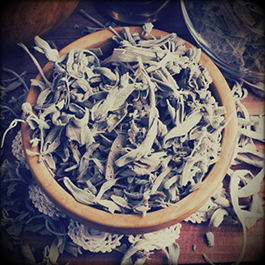
Sage is one of the most aromatic herbs of the Mediterranean with a warm, spicy-sweet aroma and a fresh sugary, even medicinal taste. Like many spicy herbs, sage has a stronger flavor when in dried form than when fresh. Its aroma can not be confused with another, because it is familiar to almost everyone. By the way, sage has been valued for medicinal properties for centuries, before becoming a culinary delicasy in the world of spices and herbs. And of course, it is worthy to be effectively and successfully combined with other spices and seasonings (rosemary, thyme, oregano, bay leaf) and be a part of aromatic mixed. It is worth mentioning that sage is excellent in dishes with fatty meat (pork, turkey and duck). Sage is one of the few spices that is always used exclusively after one or another heat treatment – it is never used for food in fresh form. It is customary to add it to a dish in the end of cooking process.
Sage pairing:
Fruits and vegetables: cherry, green beans, zucchini, cabbage, potatoes, corn, carrots, tomato, plum, asparagus, pumpkin, citrus, blueberries/blackberries, apple.
Protein product: lamb, beef and veal, wild game (including feathered game; boar), legumes (beans, chickpeas, rice, peas), goat meat, sausages, seafood (especially oysters, shrimps), nuts, poultry (chicken, turkey, duck), fish, pork (including pancetta, prosciutto), cheeses, eggs.
Other foods: broths, mushrooms, honey, pasta and noodle products, various kinds of minced meat, vegetable oil (olive), butter, juice (lemon, orange), vinegar, bread.
Seasonings and spices: ginger, bay leaf, onion, marjoram, nutmeg, mint, oregano, paprika, black pepper, parsley, rosemary, celery, thyme, caraway, fennel, savory, garlic.
Cuisines and dishes: fatty meats dishes, slow cooking dishes, Greek cuisine, Spanish cuisine, Italian cuisine, liver and giblets of different animals, Mediterranean cuisine, soups (especially beans), French cuisine.
SAVORY
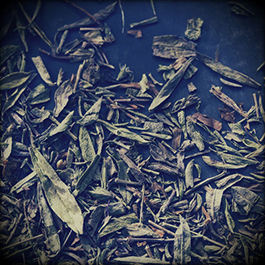
This spice aroma resembles thyme, peppermint and marjoram, but with more intence peppery and bitter notes. It is very good for marinades, for fatty meats, stewed dishes and even grill. Savory perfectly complements fried fish. Unfortunately, many cooks underestimate savory value in spice blends. However, it is an integral part of the herbes de Provence. Savory is added at first stages of cooking process and is especially good in long-cooking dishes.
Savory pairing:
Fruits and vegetables: zucchini, cabbage (including Brussels sprouts, kale), potatoes, carrots, cucumbers, olives, bell pepper, tomato, beetroot, pumpkin, chives.
Protein product: lamb, beef and veal, wild game (rabbit, venison), legumes (peas, beans, rice, lentils), sausages, chicken (including chicken liver), seafood, poultry (especially fried), fish fried and baked), pork, cheese, eggs.
Other foods: mushrooms, beverages (especially red wine), olive oil, soups (especially on tomato basis), vinegar.
Seasonings and spices: basil, cumin, bay leaf, onion, marjoram, nutmeg, mint, oregano, paprika, parsley, rosemary, thyme, fennel, garlic, sage, tarragon.
Cuisines and dishes: polenta, sauces and marinades, Mediterranean cuisine, stews, minced meat (especially poultry).
SESAME
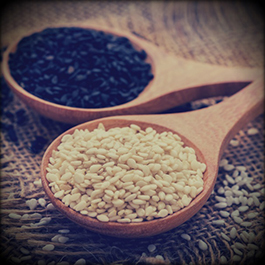
According to many sources, when ancient people learned to press oil, sesame was the first ingredient for this process. Sesame is not an aromatic spice and opens its true flavour (earthy-nutty) and aroma after it is roasted in a dry frying pan. Sesame is not anywhere near being most demanded component in spice blends, however it is very important in uncovering flavors of other spices that make up a particular seasoning mix. As a single spice, sesame is excellent for in vegetable dishes, bread, salads, rice and noodles. Sesame is popular as a simple sprinkling, especially for fast food dishes. The Japanese gomasio mix has proven itself in Japanese cuisine. White sesame seeds are widely used in Western cuisine, while black seeds are popular in Asian cuisine. Since this book is devoted to spice blends, you will probably appreciate sesame in such combinations as the shichimi togarashi and za’atar, where sesame seeds play a critical part. Before use, sesame seeds are roasted in a dry frying pan.
Sesame pairings:
Fruits and vegetables: eggplant, banana, broccoli, green onions, zucchini, cabbage, corn, lettuce (especially spinach), carrots, bell pepper, tomato, citrus, apple.
Protein product: lamb, beef, game, legumes (beans, peas, rice, chickpeas), seafood (especially scallops, shrimps, oysters), nuts, poultry (chicken, duck), fish, cheeses, eggs.
Other foods: mushrooms, pasta, vegetable oil (olive, sesame), butter, honey, rice wine, sugar, soy sauce, juice (lemon), vinegar, bread and bakery products.
Seasonings and spices: vanilla, cloves, mustard, ginger, cardamom, cilantro, coriander, cinnamon, onion, nutmeg, oregano, paprika, allspice, black pepper, chili, rosemary, sumac, thyme, garlic.
Cuisines and dishes: Middle Eastern cuisine, stir-fry dishes, Indian cuisine, Chinese cuisine, Lebanese cuisine, tahini sauce, Turkish cuisine, hummus, Japanese cuisine.
STAR ANISE

Star anise has a warm, tart, sweet, spicy aroma, similar to licorice and fennel, and its taste is similar to anise, but brighter and with a pronounced sweet note. It is characterized by floral scales, sweetish taste and distant shades of cloves and mustard. It is an excellent part of Chinese and Vietnamese cuisine. Indian and Indonesian cuisine also uses these amazing aromatic stars. Strar anise is good for all kinds of poultry and wild game, for soups (main part of in Vietnamese soup pho bo), various sauces, stews and gravies. Star anise superbly shades any fatty meat and flavours fish and seafood. Unfortunately, star anise is not popular in the West, but in the oriental cuisine it a very important ingredient. Talk about the famous Chinese five-spice powder, where star anise plays a dominant role! Star anise is used in the beginning of cooking process.